Information for authors, historians and podcast guests
Are you an author, historian or researcher with an interesting story to tell about British military history? I’d love to hear from you.
Redcoat History explores the battles, campaigns, soldiers and personalities that have shaped the British Army’s history, through YouTube documentaries and in-depth podcast conversations.
I’m particularly interested in original research, overlooked stories, fresh interpretations of familiar events and fascinating first-hand accounts.
Whether you’ve just published a new book, uncovered something interesting in the archives or spent years researching a particular subject, please feel free to get in touch.
What I’m looking for
I’m always keen to hear from military historians, authors, battlefield archaeologists, museum curators, independent researchers and others with specialist knowledge of British military history.
Subjects that work particularly well include:
- Battles and campaigns, especially those with interesting tactical or operational lessons.
- Regimental histories and the experiences of ordinary soldiers.
- Military leadership, weapons, tactics, training and organisation.
- Overlooked campaigns, forgotten personalities and new historical discoveries.
- First-hand accounts that help bring the past to life.
You don’t need to be a published author or university academic. What matters is having something interesting to share, backed up by good research.
I’m also happy to interview co-authors or two researchers together where their work lends itself to a joint discussion.
Helping me prepare for our conversation
I like to do my homework before an interview, and the more useful material you can share beforehand, the better.
If you’ve written a book or research paper, it’s extremely helpful if you can send me a PDF or electronic copy for background reading.
Alternatively, a short summary of your key findings, along with a list of suggested questions or discussion points, is very welcome.
I’m particularly interested in anything surprising, controversial or little known about your subject.
If possible, please also share:
- A brief biography and details of your relevant research.
- A copy of your book cover, where applicable.
- Historical maps, photographs, illustrations or documents that might be useful in presenting the interview.
- Links to any particularly useful primary sources.
Ideally, please send the material at least a week before recording.
Where will the interview appear?
Redcoat History produces both YouTube documentaries and a regular podcast covering British military history.
Most interviews are best suited to the podcast format, where we have the freedom to explore a subject in greater depth.
However, selected interviews or extracts may also appear on the Redcoat History YouTube channel, website or social media.
Whether an interview works for YouTube often depends on the subject matter, the availability of suitable historical images, maps and illustrations, and how well the discussion lends itself to a visual presentation.
Guests are therefore encouraged to share any relevant visual material that might help bring their subject to life.
While I can’t guarantee a YouTube appearance, every interview has the potential to reach audiences across the Redcoat History platforms.
Examples of past interviews
For a feel for the conversations and how they can look when presented on YouTube, here are two examples featuring Andy Wheale and Steve Brown.
Andy Wheale
Steve Brown
Recording your interview
Interviews are recorded remotely using Ecamm. You don’t need to install any special software or subscribe to anything.
I’ll send you a link shortly before our scheduled recording time. Simply open it on your computer, allow access to your camera and microphone, and follow the instructions to join.
I recommend using a laptop or desktop computer with Google Chrome or Safari, rather than a mobile phone.
We’ll spend a few minutes checking the sound and picture before we begin.
Please make sure you have a reliable internet connection and close any unnecessary applications while we’re recording.
Microphones and headphones
Good sound quality is essential. Fortunately, you don’t need expensive equipment to achieve it.
For most guests, I recommend a simple wired USB headset with a built-in microphone. These are inexpensive, easy to use and ensure the microphone stays in the right place throughout our conversation.
Suitable examples include the Logitech H390, Jabra Evolve 20 and Sennheiser PC 8 USB.
If you already have a good external microphone and headphones, that’s absolutely fine too.
Please avoid using your computer’s built-in speakers or microphone, and don’t use a handheld microphone that you need to hold throughout the interview.
A few other things make a big difference:
- Choose a quiet room, away from traffic, fans and other background noise.
- Avoid large, empty rooms that produce an echo.
- Turn off phone notifications and anything else that might interrupt us.
- Check that your microphone and headphones are working before joining.
If you’re unsure whether your equipment is suitable, please ask beforehand.
Looking good on camera
Although the conversation may ultimately be published as audio, I record interviews on video wherever possible.
You don’t need a professional studio or expensive camera. A few simple adjustments can make a huge difference.
Lighting: Make sure your face is well lit. Ideally, sit facing a window or place a lamp in front of you. Avoid sitting with a bright window or strong light behind you, as this can leave your face in shadow.
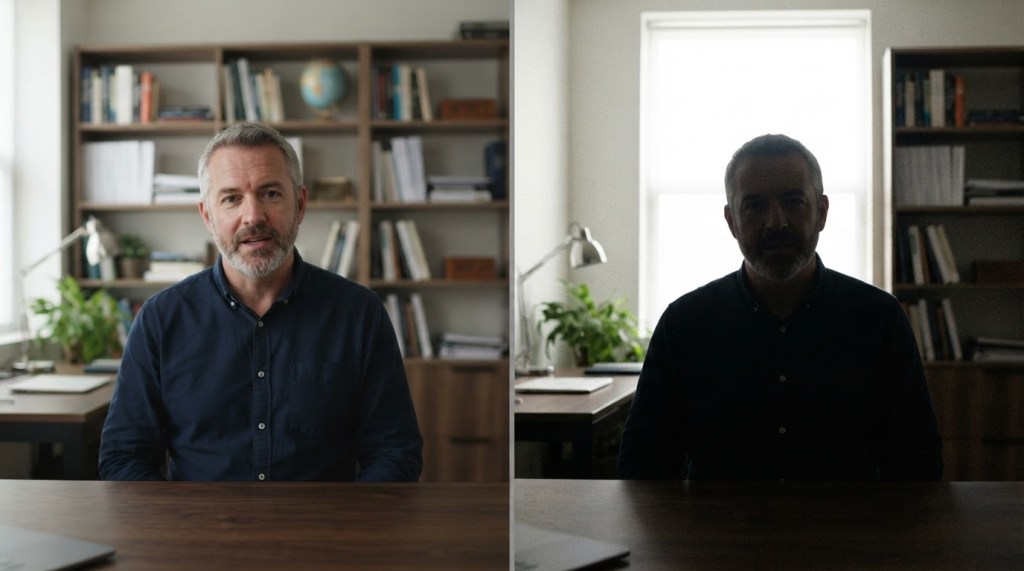
Background: Keep things simple. A plain wall, tidy bookshelf or study makes an excellent background. There’s no need for elaborate decorations or virtual backgrounds.
Camera position: Position your camera roughly at eye level, and frame yourself so that your head and shoulders are clearly visible. Try to avoid having the camera looking up at you from a desk.
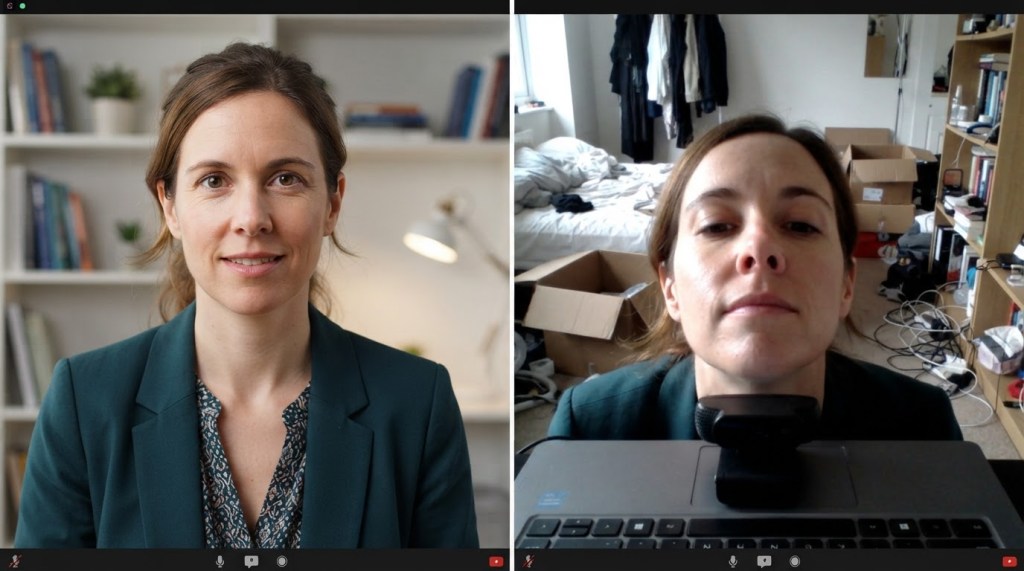
Please take a moment to check how everything looks before joining the interview.
Before we begin
A quick final check:
- My microphone and headphones are connected and working.
- I’m in a quiet room with a stable internet connection.
- My face is well lit and my camera is at eye level.
- My background is tidy and free from distractions.
- I’ve silenced my phone and computer notifications.
- I have any relevant notes or research material to hand.
And that’s it. There’s no need to be nervous or worry about giving a polished performance. The aim is simply to have an enjoyable and informative conversation about a subject we both find fascinating.
Interested in appearing?
If you think you have a story that would interest the Redcoat History audience, please email me at chris@redcoathistory.com.
Tell me a little about yourself, the subject you’d like to discuss and why you think it would make an interesting conversation.
If you’re an author, please include the title of your book and a link to further information.
I receive quite a few suggestions and can’t accommodate every proposal, but I’m always interested in hearing about new research and intriguing military history stories.
I look forward to hearing from you.
Chris
Redcoat History

