
A family wedding in New Jersey was the excuse for my recent trip across the Atlantic. But when you’re a military history geek and you find yourself within striking distance of some of the most important battlefields of the American War of Independence, it would be rude not to pack a camera, wouldn’t it?
So, along with the wedding celebrations, I managed to squeeze in a little Redcoat History filming expedition. The result is three films following the fortunes of the British Army and George Washington’s men from the summer of 1776 to the opening days of 1777.
I had a brilliant time. The people of New Jersey are great fun and, much to my amusement, a few of the people I met quietly confessed that they probably would have been Loyalists had they been around in 1776. Good to know we still have a few friends across the pond!
If you’ve missed any of the films, I’ve brought all three together here, along with a few photographs and recommendations for anyone planning a trip of their own.
1. The battle for New York, 1776
In the summer of 1776, the British assembled a formidable force to take New York. General William Howe’s redcoats and their German allies faced Washington’s army in a campaign that would see the Americans driven from Brooklyn and eventually from Manhattan.
The Battle of Long Island in August was a devastating blow for the revolutionaries, but Washington managed to save much of his army. The fighting continued, culminating in the loss of Fort Washington in November. In the film I explore the campaign from the British perspective, looking at the soldiers, the tactics and the terrain.
What really surpassed my expectations was just how much there was to see in Brooklyn and Manhattan. Amid the skyscrapers, busy streets and parks there are some fascinating reminders of the campaign. The Old Stone House in Brooklyn and Bennett Park, the site of Fort Washington, are well worth seeking out. If you’re heading to New York, spare a little time for its military history.

2. Trenton: Washington strikes back
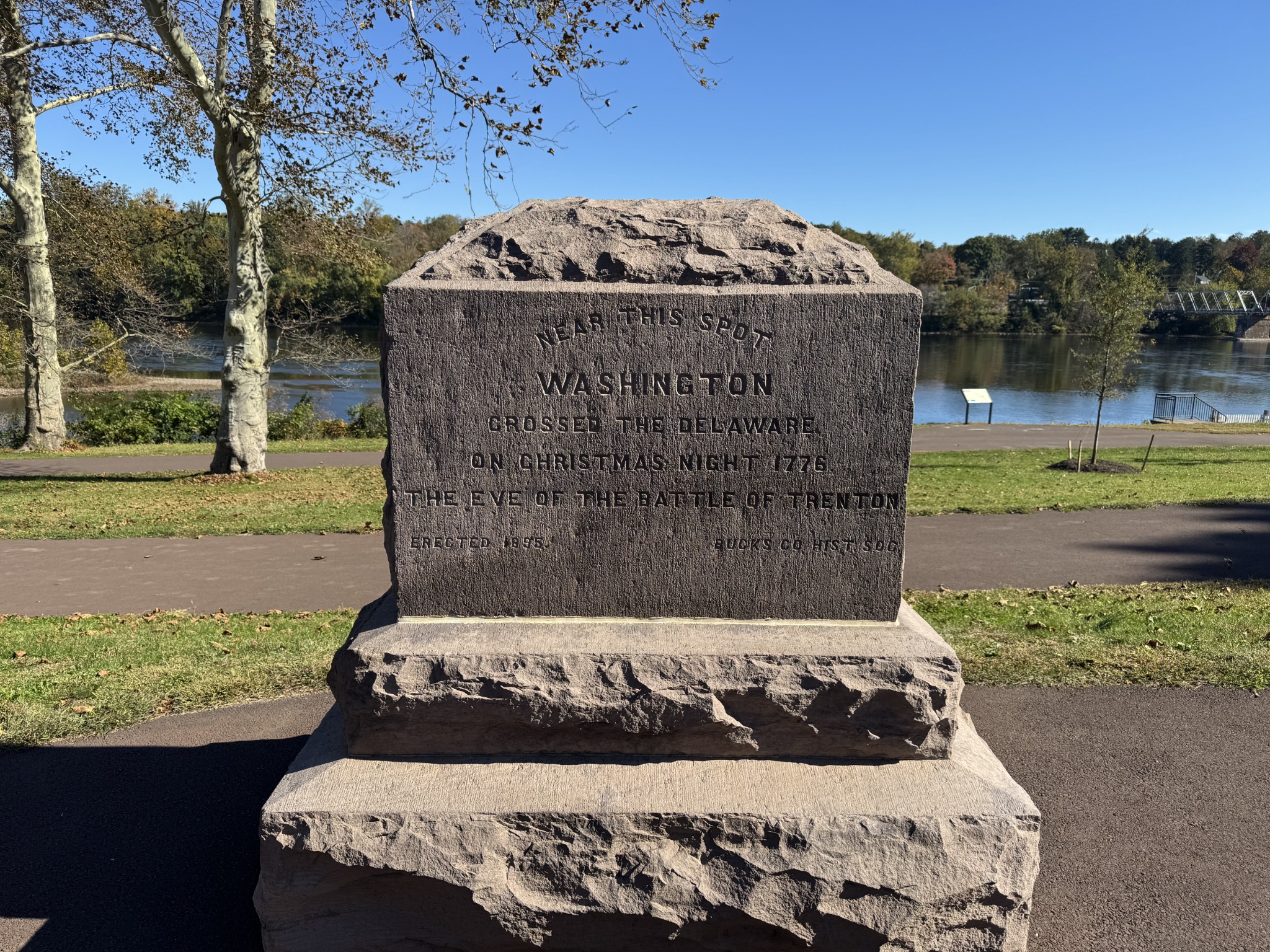
By Christmas 1776, Washington’s army was in serious trouble. The retreat across New Jersey had been a miserable affair, but the commander of the Continental Army still had a few tricks up his sleeve. On Christmas night his men crossed the Delaware and struck the Hessian garrison at Trenton the following morning.
I also wanted to use this film to explore the German soldiers who served alongside the British. Who were these men? Why were they fighting in America? And how did they acquire their fearsome reputation? There’s far more to their story than the familiar caricature of the Hessian mercenary.
If you’re in the area, do make time for Washington Crossing Historic Park on the Pennsylvania side. There’s an excellent little museum and a great living history set-up. It’s a wonderful place to get a feel for the extraordinary undertaking that was the Delaware crossing.
3. Princeton: the redcoats fight back
The story didn’t end at Trenton. On 3 January 1777, British regulars and Washington’s men clashed at Princeton. At the heart of the story is the remarkable fighting performance of the 17th Regiment of Foot, a British bayonet charge and the intervention of Washington himself.
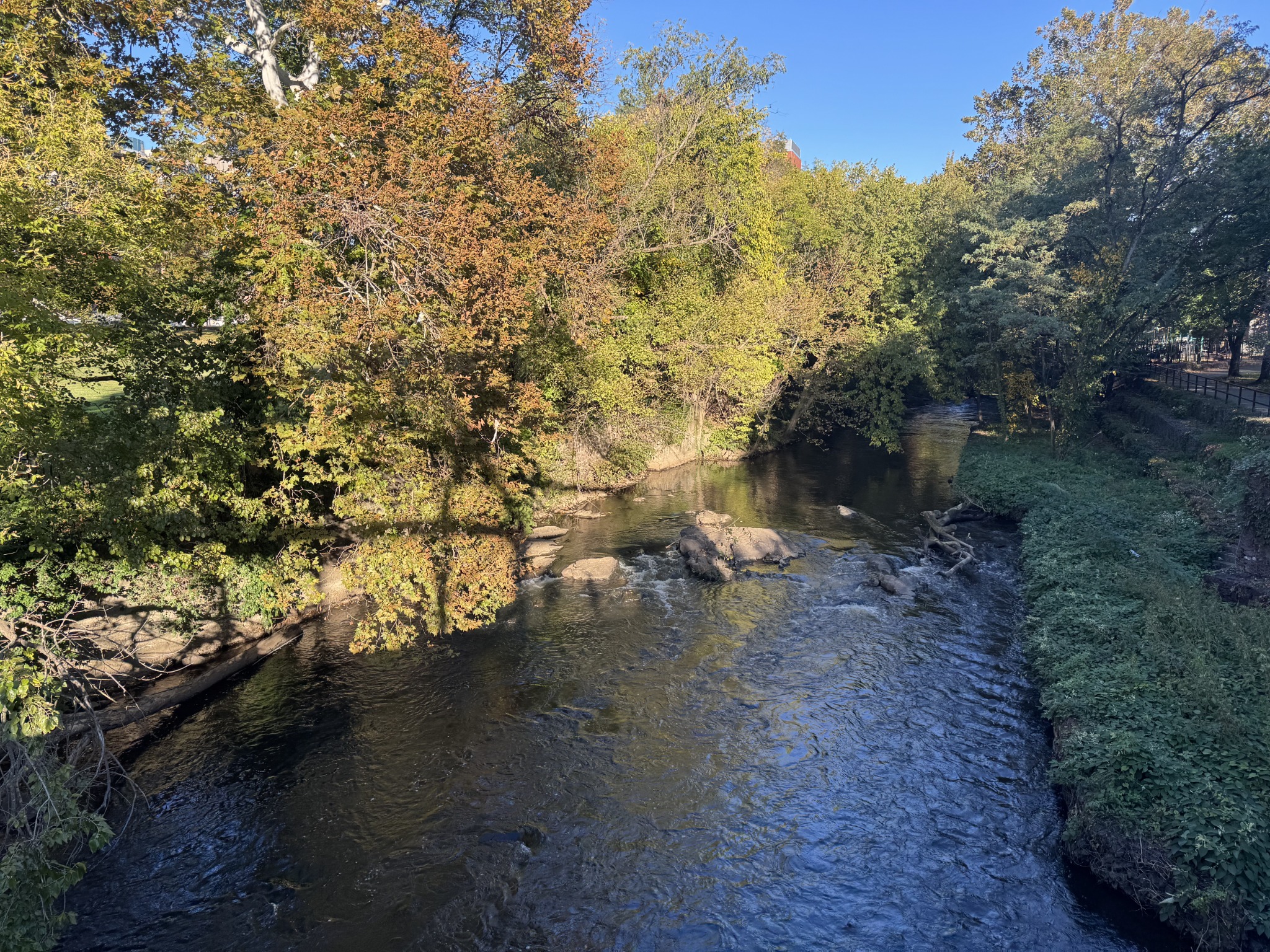
It’s a fascinating battle for anyone interested in how the British regulars and the Continental Army actually fought. Walking the ground helps put the action into perspective and gives you a much better appreciation of the challenges facing the men on both sides.
A few thank yous
A huge thank you to my friend, author and historian Todd Braisted, for his help. If you’re interested in the Loyalists and their role in the war, his website, The On-Line Institute for Advanced Loyalist Studies, is a treasure trove.
Thanks also to William Krakower, Resource Interpretive Specialist at Princeton Battlefield. He was excellent and his help on the ground was much appreciated.
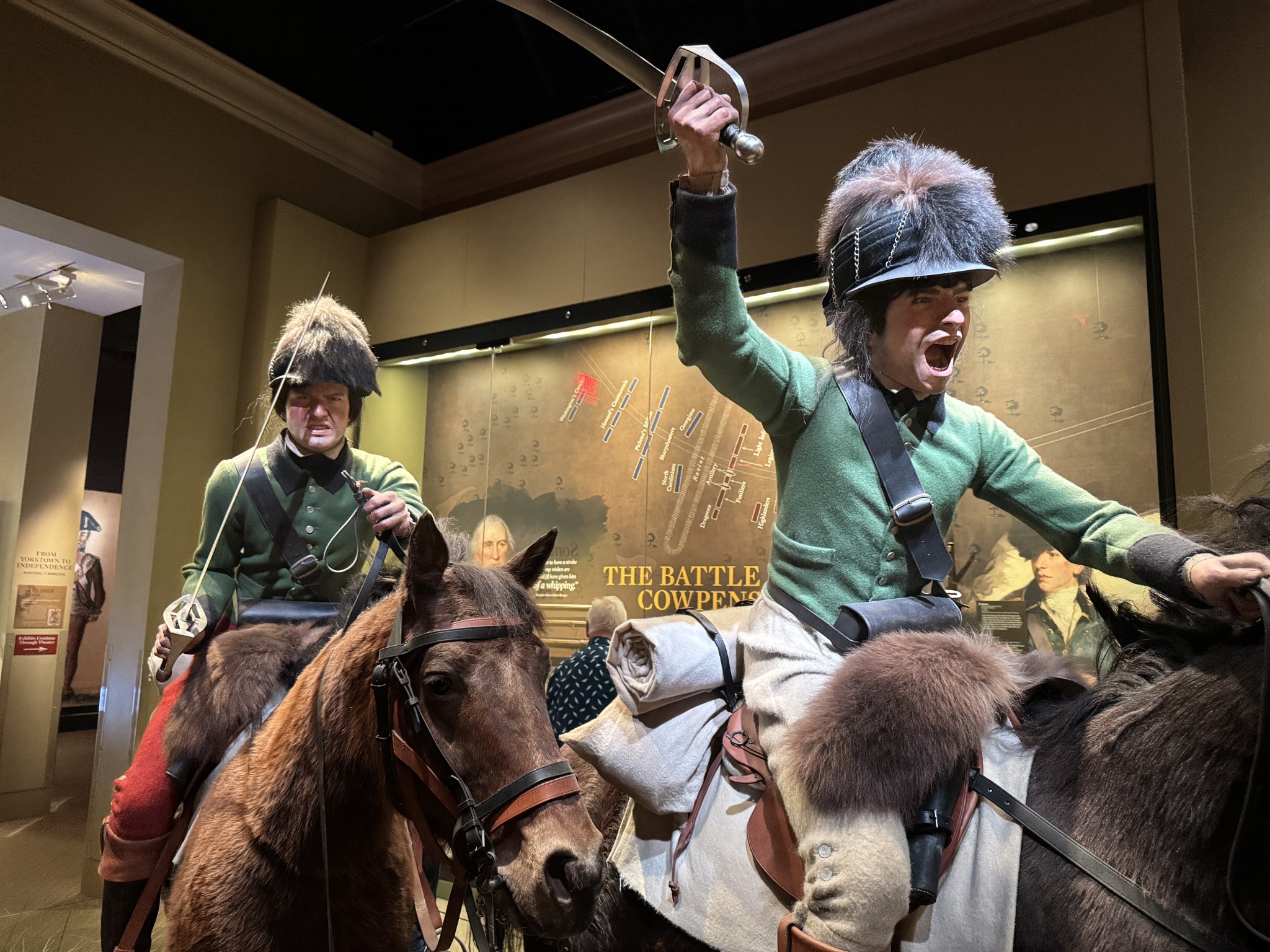
And finally, many thanks to the team at the Museum of the American Revolution in Philadelphia for allowing us to film. What a great museum! If you have any interest in the period, put it on your list of places to visit.
Where should I go next?
I’ve barely scratched the surface of the American War of Independence and I’d love to return another year. Saratoga, Brandywine and the campaigns in the southern states all appeal to me, but I’m keen to hear what you think.
Which battlefields should I visit next? Are there lesser-known sites I ought to explore, local historians I should meet or museums I really shouldn’t miss? Please leave a comment below. I’d love to tap into your knowledge of the ground.
And if you’ve enjoyed these films and would like to help make more battlefield expeditions possible, please consider joining the Redcoat History Patreon. Your support helps pay for the research, travel and filming that go into these projects. Depending on your membership level, you’ll also get access to extra content and early access to films.
Thanks for watching and for supporting what I do. Here’s to the next adventure!


